

WHY DON’T I LIKE LIKES?
- July 23, 2020
- Posted by: Sam Adettiwar
- Category: BLOGS
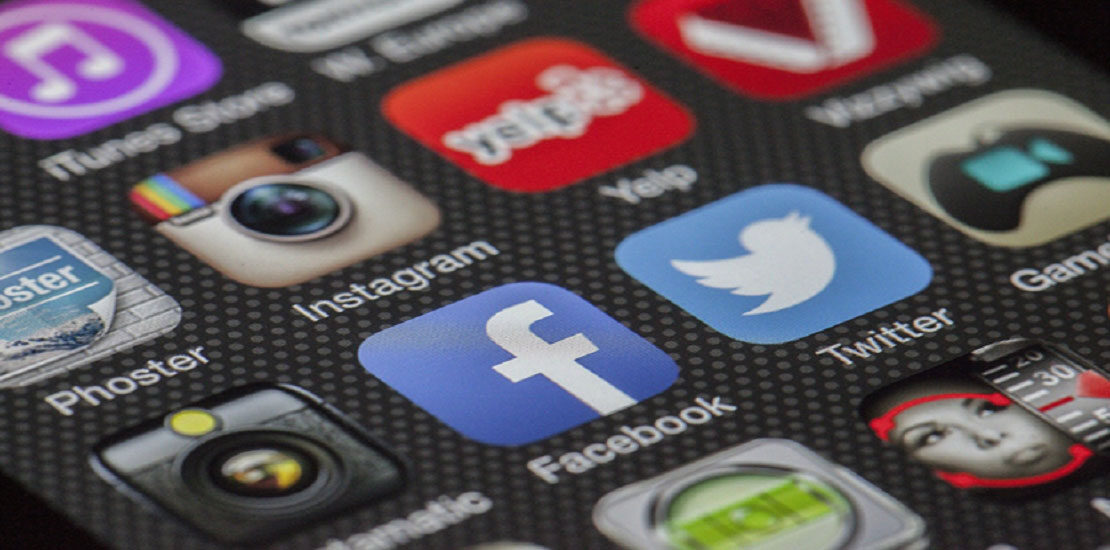
How many hours have you spent waiting for your photos to be liked on social media? The whole cycle follows Tweet, Retweet, Likes, Dislikes, Repost, Thumbs Up, and Thumbs Down. These social media buttons are everywhere, and often we just discard them as a feature of the app and we do not think about the power behind a single “push of a button”. The whole concept of like I feel is destructive. You know the little rush you get when your posts get more likes than normal. That is your dopamine. For every thumbs up or likes we get, there is a psychological rush in us – a shot of dopamine. The more shots we have, the more we want. A study on the effect of social media likes have on a teenager’s brain demonstrated that people are more likely to follow the herd mentality – engaging with posts liked more. According to GlobalWebIndex’s survey, an average person spends 109 minutes per day on social media; some of them only to see what others are doing. Nevertheless, the biggest question lies invalidation we receive through likes. Ask yourself; if there were no likes/views, would you still post on social media?
Social Media and Mental Health
When Facebook introduced the like button a few years back, it altered the whole era of social media. Now, it is difficult to imagine life without LIKES. People have always needed approval because human beings are social creatures and that is why we turn towards social media. It is, as we need others to survive. Thailand’s Department of Mental Health warned about how the obsession with likes on social media could affect the mental health of young people. The Dove Self-Esteem project further concluded that almost two-thirds of women felt prettier how they look online than actual. If you look clearly, you can see the effect social media has on us. Social media platforms have allowed us to be more open and vocal about our feelings. By putting a picture on social media, you open yourself to feedback from others. You make yourself vulnerable to others and if we do not get it, what worse could happen? If you have low self-esteem, and you do not get likes as much as you expected, you are going to feel worse about yourself.
Instagram, the most popular social media outlet among some millennials and most gen z’s, has an algorithm in regards to what we see every time we go on the internet. It is already commonly known that if we search something on the web, the internet tracks our history, and all of a sudden, we start seeing advertisements related to that search on our Instagram, Facebook, Snapchat etc. A teenage girl goes to Victoria Secret and buys clothing online and now all of a sudden these edited photos of seemingly perfect thin models with nice hair and clear skin are appearing all in your feed. A teenage boy goes online and buys a protein shake and now all they see are gym rats enforcing toxic masculinity expressing that people will be more desirable once they have big arms and a six-pack. A 2019 Pew research study shows that nearly 20,000 teens were at a heightened risk for anxiety and depression solely because of their frequent social media use. In today’s society, people believe that their popularity, beauty, and self-esteem all stems from the number of likes they receive on the internet. This can be threatening to one’s self-esteem and makes people feel discouraged if they pretend to be what they are not. Our perspective towards things in our life has changed drastically, all thanks to social media. We live in a society, where we care more about spending money on sassy clothes just to post it on Instagram, rather than spending on necessities.
Social Media and Fitting in
Social Media Platforms such as Instagram and Facebook are often used as a way to fit in and encourage mob behavior. We have fallen into the trap of conforming as per the societal norms. “Everyone has fun showing their summer pictures or their new life at college, I should too”. We want acceptance from our peers and social media is one place where we go to seek that. Social media likes are like social currencies we use to transact on Apps. When videos of people go viral that is what we call “clout”; having power on a certain social media outlet. What is even more frustrating is that edited images of celebrities by magazines, paparazzi, and often the celebs themselves always seem to have this enormous number of likes on their posts. This perpetuates a cycle because young adults and teenagers see this perfect body, skin, and hair as factors that contribute to the increased number of likes and see that as a way they can increase their own likes and get that extra release of dopamine. The FOMO – fear of missing out is a great accelerator. If anyone else is using the media and if someone doesn’t join in they experience the fear of missing out new trends. Missing experiences can create anxiety and depression as people feel they are excluded from an activity.
FOLLOWERS AND LIKES – People usually determine their self-worth by the number of likes they receive on social media. Isn’t that illogical? These likes boost either people’s ego or self-esteem. Nevertheless, there are better ways to boost both.
CYBERBULLYING – How many of you have not faced bullying on social media? Be it any kind of. This can lead to a drop in confidence among people who already have fewer levels of self-esteem.
CATFISH – I want you to think this through: Are you really, what you show on social media? It is easier to pretend on social media and ignore the real-world practicalities.
COMPARISONS – Whatever others post on social media does not reflect their full story.
ADDICTION – The deadliest one. You need to control this one, as it is Unhealthy.
It is not bad to be concerned about what others think about you – it is natural – the very basics of humanity. However, it is equally important to be comfortable and satisfied with your own thoughts and feelings. To know what we love and think is enough; hashtag we do not need a button to give us validation. PERIOD.