

LONGEVITY AND THE ART OF BREATHING
- December 6, 2019
- Posted by: Sam Adettiwar
- Category: book-chapters
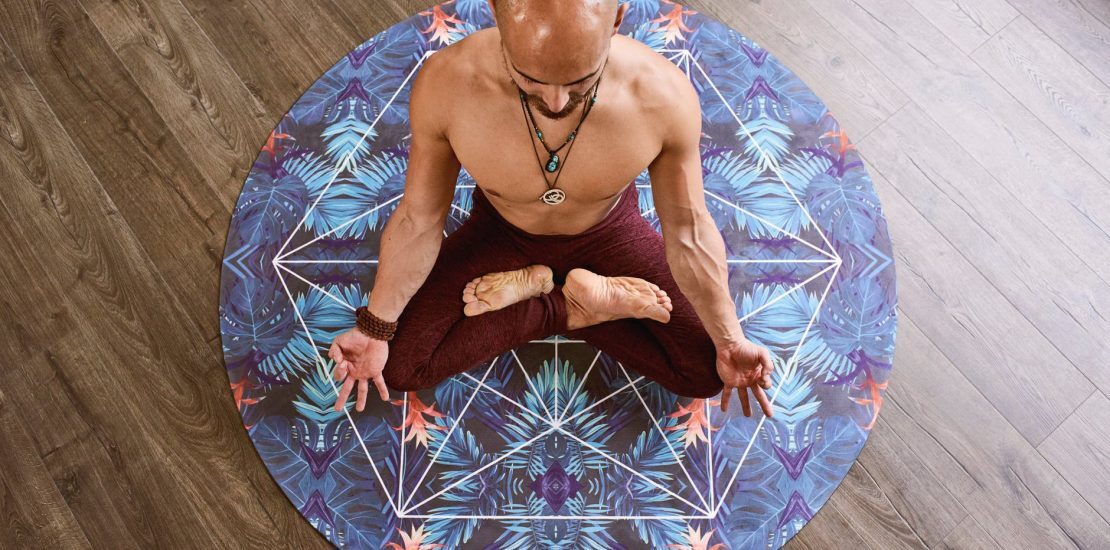
“Fly me up to where you are beyond the distant star. I wish upon tonight to see you smile, if only for a while to know you’re there. A breath away is not far to where you are.” “Sometimes it’s the same moments that take your breath away that breathe purpose and love back into your life.”
–Josh Groban
Adwaita was a male Aldabra giant tortoise that lived in the Alipore Zoological gardens of Kolkata India. While we may leave the separating of apocryphal matter from facts to the experts, it is believed that Adwaita was presented to Lord Clive of the East India Company by British Sea Farers, who captured it from an atoll in Seychelles. The tortoise resided at Clive’s estate at Barrackpore in the northern suburbs of Kolkata. Born in 1750 Adwaita lived to an age of 255 before he breathed his last in the Alipore zoo on 22nd March 2006. Adwaita’s life was cut short by the cracking of his shell in 2005 and the subsequent wound that developed in the flesh beneath the crack. Adwaita was born years before the American declaration of Independence and lived well into the 21st century. Why did he live so long? Answer- He was a Tortoise. But let us not rest at that and dig a little more into a habit that is responsible for the longevity of this amphibian. A tortoise breathes only 3 to 4 times per minute while a resting adult human being breathes anywhere between 12 and 20 times. A monkey breathes around 32 times while a dog breathes around 40-50 times in the same time frame. If you look at the life spans of each of the animals, clearly there is a plausible correlation between the breathing pattern and the longevity.
One of our goals of Mahatman is to live to at least 100 years of age. And one of the pivotal factors that contribute to longevity are our breathing patterns. In a study conducted by thoracic surgeon and psychologist Phil Neurenberger, all 152 heart attack victims had a serious breathing irregularity. Breathing in less than optimal way can result in shortening of life spans and various other illnesses. We have to consider two aspects – chronological age and biological age. A physically active 45 years old can have the biological age of a 35 year old and an inactive 45 years old can have the biological age of a 55-75 year old. A Framingham study shows that if you do nothing to preserve even average breathing, you will lose 70% of your breathing capacity by age 70. That is why we need to follow “More breath per breath” technique. More breath per breath increases our oxygen delivery to vital organs and reduces oxidative stress which makes us calm and tranquil. Breathing pattern changes in different emotional situations, it becomes chaotic when angry, sluggish when depressed, and rapid and shallow when anxious. But we can consciously change our breathing patterns and alter our moods.
Some of the breathing techniques you can use are-
- Pranayam
- Dragon breathing
- Kalari breathing
- Vipassana
Pranayam– Pranayam means control of Pran or vital force. Pranayam occupies a central position in the Indian yogic system. Pranayam affects the Autonomous Nervous System (ANS) positively. The ANS controls physical processes such as digestion, respiration, heart rate, immune function, and excretion. It has two branches known as the Sympathetic Nervous System which governs the fight or flight response and the Parasympathetic Nervous System which takes care of rest and digestion. Pranayam is reported to have positive effects on the ANS. A study conducted in 2009 on 39 people who were asked to perform Pranayam, confirmed that it significantly lowered their systolic and diastolic pressure and slightly lowered their heart rate. Ninety people with hypertension when they performed Pranayam, it reduced their blood pressure and also improved their performance in manual dexterity and fine motor speed test. Pranayam was also found to increase theta brain wave activity leading to a feeling of bliss, akin to absence of thoughts in deep meditation. Pranayam was also found to significantly lower oxidative stress by reducing body mass index, waist-hip ratio, fasting and postprandial plasma glucose, glycated haemoglobin, and improving antioxidant levels (malondialdehyde, superoxide dismutase, glutathione and vitamin C). The study concluded that Pranayama significantly benefited those with Diabetes. Pranayam was also found to alter the health of those suffering from Gastrophageal reflux disease (GERD). Their stomach acidity had significantly decreased after 4 weeks. Pranayam is also shown to increase the pain threshold significantly.
Another technique is the Dragon Breathing. Dragon breathing helps to release tension and toxic energy. It is the best exercise when we feel we are angry, about to explode. A few rounds of dragon breathing and we are back to our calmer selves. The long exhale stimulates our Parasympathetic nervous system and also ensures that we are breathing deep. This ensures that we connect and work through our emotions. Kalari breathing is another technique which is practiced during Kalaripayattu. Kalari performers are known to show higher lung volumes and better lung function.
Vipassana- The Theragathapali says “One who has perfected, developed, and practiced in proper order, mindfulness as taught by Buddha, lights up this world like the moon freed from the clouds.” Vipassana asks us to observe our breath as it is without regulating it or doing any breathing exercise. One should observe bare respiration as it is. Observation respiration helps to understand the nature of the mind. The breathing process in Vipassana is like this “Start from your head. Observe your breathing for a few seconds. After some time, you can start scanning the neck area. From there, you should turn towards your right shoulder, hands and back. After you are done with that, start scanning the front and back torso. With this, you can continue with the rest of your body. Make sure you finish where you started.
Angela Gibson says “and I wonder if Beethoven held his breath the first time his fingers touched the keys the same way a soldier holds his breath the first time his finger clicks the trigger. We all have different reasons for forgetting to breathe.” True we have different reasons for forgetting to breathe. But as Mahatman the path to greatness goes through the corridors of mindful breathing techniques. We must all keep our heads high and our lungs and diaphragms full. As Thich Nhat Hanh says “Feelings come and go like clouds in a windy sky. Conscious breathing is my anchor.” Yes we must make conscious breathing our anchor to great health.